September Bookings Now Open · Vaal River · 1–2 Anglers
Spring Yellowfish trips on the Vaal River.
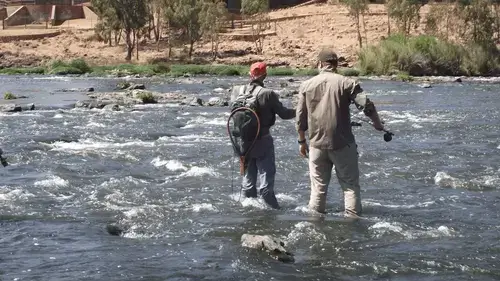
Anglers are already planning the new season. Book a focused full-day Vaal River trip with Shayne and learn safe wading, river reading, Euro nymphing, fly selection, leader setup and depth control for the conditions on the day.
Yes, spring is a strong time to start planning Vaal River Yellowfish trips. September can be transitional, but as water temperatures rise into October and November, Smallmouth Yellowfish generally become more active, insect movement improves and anglers can start seeing more consistent feeding windows. Flow, clarity and weather still matter, so the best approach is to match fly weight, depth and presentation to the conditions on the day.
September Booking Window
Turn spring planning into a day on the river.
The fly list is useful, but the real breakthrough comes from matching depth, fly weight, leader length and drift speed to the water in front of you. Send your preferred date and backup date now so Shayne can check availability, flow, clarity, water temperature and the safest river plan.
R2,500 · 1 anglerR4,000 · 2 anglers6–8 hours on the waterFull payment after date confirmation
Winter usually slows down both fish activity and search demand. Spring is when things start changing. Longer days, warmer weather and slowly improving water temperatures can all help switch Yellowfish into a more active feeding pattern.
That does not mean every spring day is easy. Early spring can still be moody. Cold fronts, sudden flow changes and dirty water can all affect the day. But when the river has stable flow, reasonable clarity and a warming trend, spring can deliver very rewarding Yellowfish sessions.
Warmer water
Rising temperatures can improve feeding windows and fish movement.
More insects
Mayfly and caddis activity can become more relevant as spring progresses.
Better planning
Booking early helps secure stronger dates before peak summer demand.
September to November: what to expect
September: the wake-up month
September is often transitional. Some days still feel wintery, while others show clear signs of the season turning. Fish may feed in shorter windows, and nymphing usually remains the most reliable starting point.
October: consistency starts improving
October can become more productive as temperatures stabilise. Fish may spread into more varied water, and fly choice can start expanding beyond purely heavy winter-style nymphing.
November: stronger activity and more options
By November, the Vaal often gives anglers more tactical options. Euro nymphing, indicator nymphing, dry-dropper and occasional surface activity may all become more relevant depending on the river.
Best flies for spring Yellowfish on the Vaal
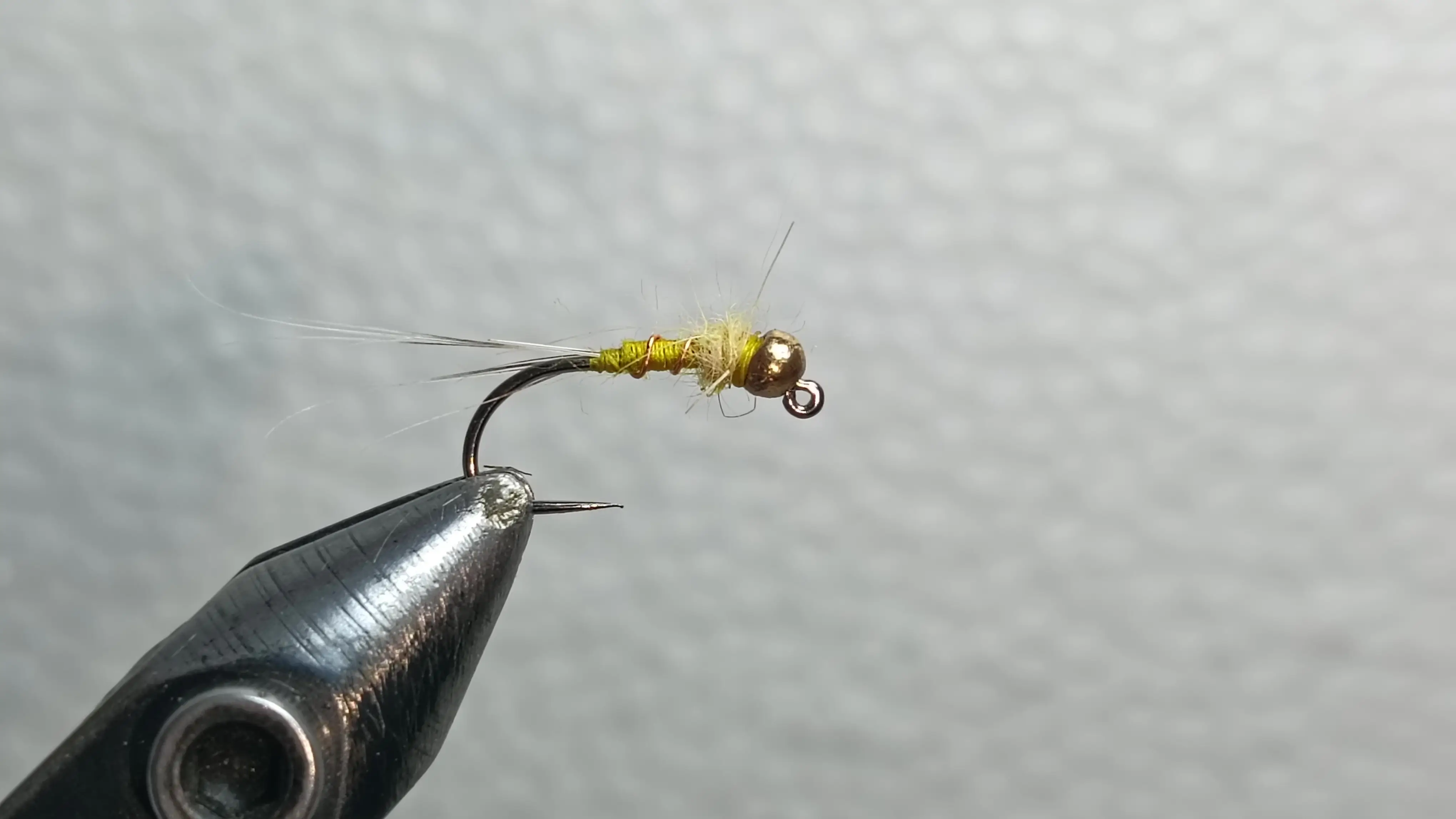
Start simple. In early spring, depth and drift usually matter more than having a massive fly box. Slim tungsten nymphs, PTN-style patterns, caddis larvae, mayfly nymphs and small hot-spot patterns are all good starting points.
Slim Perdigons: useful when you need fast sink and clean contact.
PTN variations: reliable general mayfly nymph option.
Caddis larvae and pupae: important when fish are feeding close to the bottom or along seams.
Small hot-spot nymphs: useful in slightly coloured water or when fish need a trigger.
Dry-dropper options: worth watching as fish start feeding higher in warmer spring conditions.
Euro nymphing is usually the most dependable spring starting method because it lets you control depth, bead weight, drift speed and contact. It is especially useful in riffles, seams and faster pocket water.
Dry-dropper becomes more interesting when fish move into shallower glides, softer edges and clearer water, or when there is enough surface interest to make the dry useful as both an indicator and potential meal.
If you are unsure, start below the surface and then adjust upward as the river gives you clues.
Spring often rewards simple, well-weighted nymph choices.
Riffles, runs and seams become key feeding zones as fish wake up.
A guided day helps shorten the learning curve in changing spring conditions.
Guided Spring Coaching
The right fly is only the beginning.
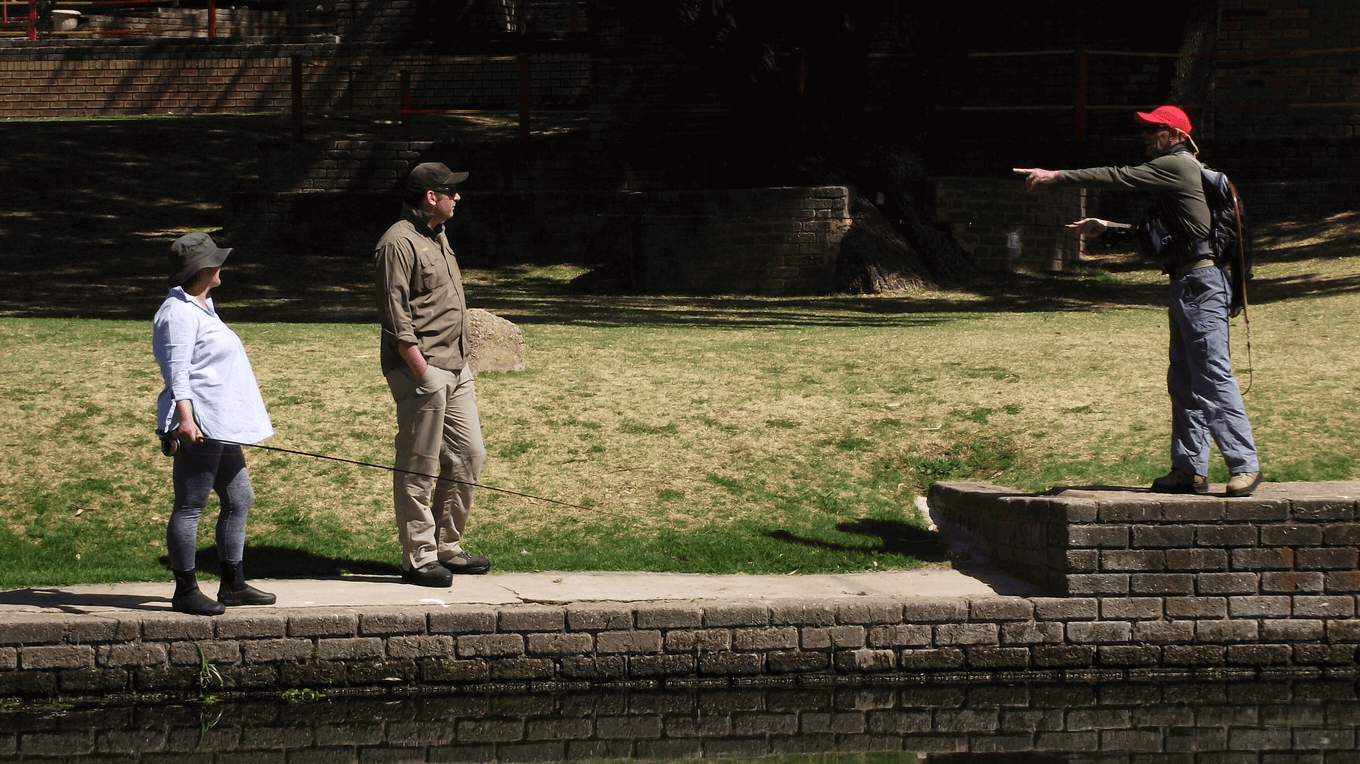
Bring your current setup and fly box. Shayne will help you build a repeatable system for choosing water, adjusting bead weight, controlling depth and reading the drift—skills you can use on every future Vaal River trip.
Spring fishing is heavily influenced by what the river is doing. Stable, fishable flows with decent clarity are ideal. If the river is high, cold or dirty, heavier flies, shorter drifts and safer wading choices become more important.
As the river clears and drops, lighter beads, thinner profiles and more careful presentation can become the better move. That is why the most important spring adjustment is often not colour — it is depth, weight and drift speed.
Spring is a great time to learn because the season is building, but the river can still be technical. Beginners should expect to focus on safe wading, reading water, managing line, controlling drift and choosing the right fly weight.
A guided session helps remove guesswork. Instead of spending half the day wondering where to stand or what fly to use, you learn how the river works and how to adapt as conditions change.
Spring Dates Are Opening
Secure your preferred September date.
Weekend dates are usually requested first. Send your preferred date and backup date now. Shayne confirms availability and the river plan before full payment is requested.
Full payment secures the booking after the date, flow, access and safe river plan have been confirmed.
FAQ
Spring Yellowfish questions.
Is spring a good time to fly fish for Yellowfish on the Vaal River?
Yes. Spring can be very good as water temperatures rise, insect activity improves and Yellowfish begin feeding more actively after winter.
When does spring Yellowfish fishing usually improve?
September is often transitional, while October and November are usually more consistent as warmer weather and better feeding activity build.
What flies should I use in spring?
Start with slim tungsten nymphs, PTN variations, caddis larvae, small mayfly nymphs and hot-spot patterns. As fish move higher, dry-dropper options become more useful.
Should beginners book a guided spring trip?
Yes. A guide can help with safe wading, reading water, fly selection, rig depth and drift control, which makes a big difference on the Vaal River.